Beyond Architecture
Bridging Saudi identity with a global design language.
We believe meaningful design begins with understanding the people, traditions, stories, and environments that shape identity. This perspective allows us to create work that is authentic to its place while remaining relevant to the contemporary world.
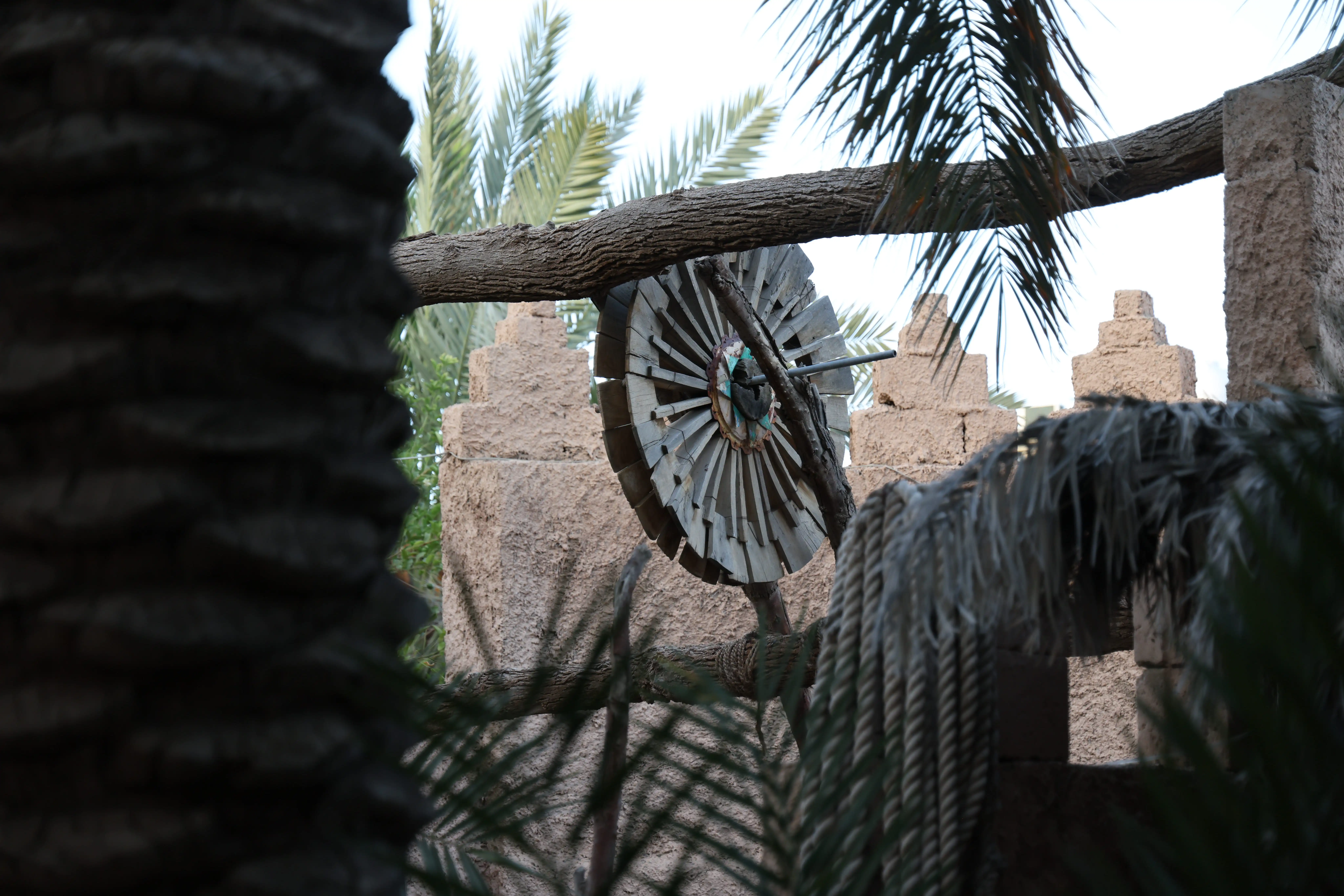
Saudi culture emerged from a landscape of deserts, mountains, coasts, oases, and historic trade routes, giving rise to distinct regional identities expressed through architecture, craftsmanship, poetry, storytelling, and art. Across the Kingdom, communities developed unique building traditions using local materials such as mud, stone, coral, and palm, creating architectural languages that reflected both environmental conditions and cultural values. These traditions formed systems of knowledge that shaped how people lived, gathered, traded, and interacted with their surroundings.


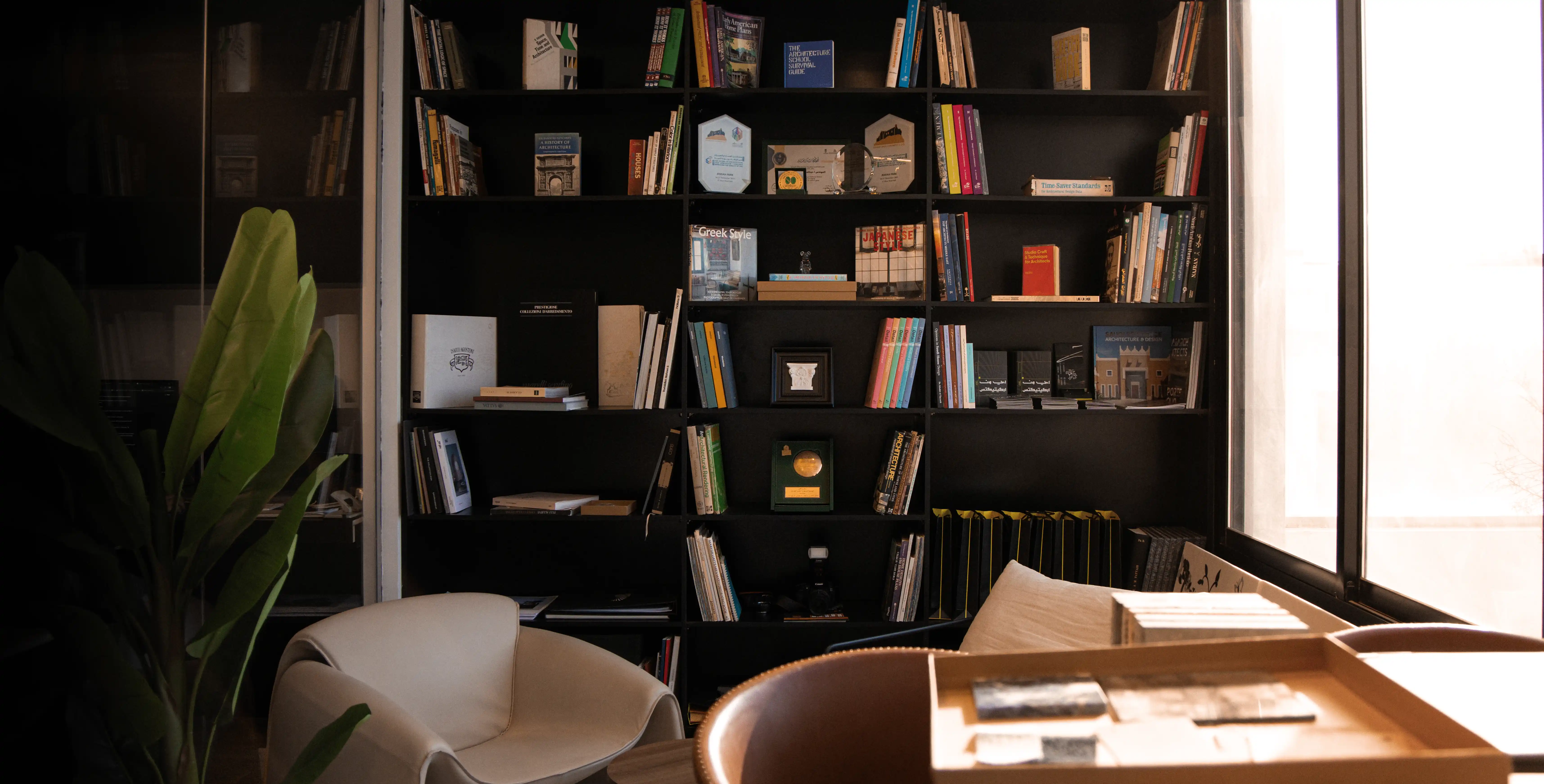
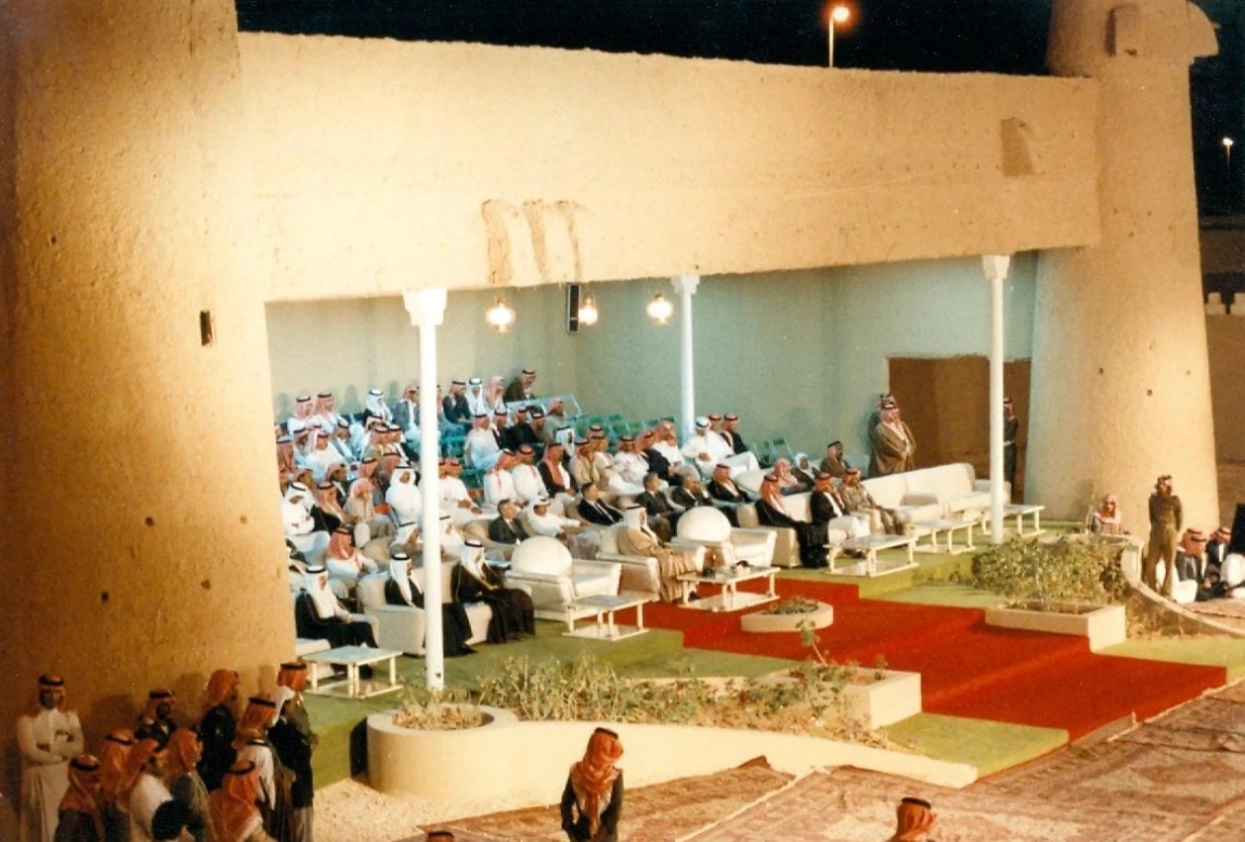
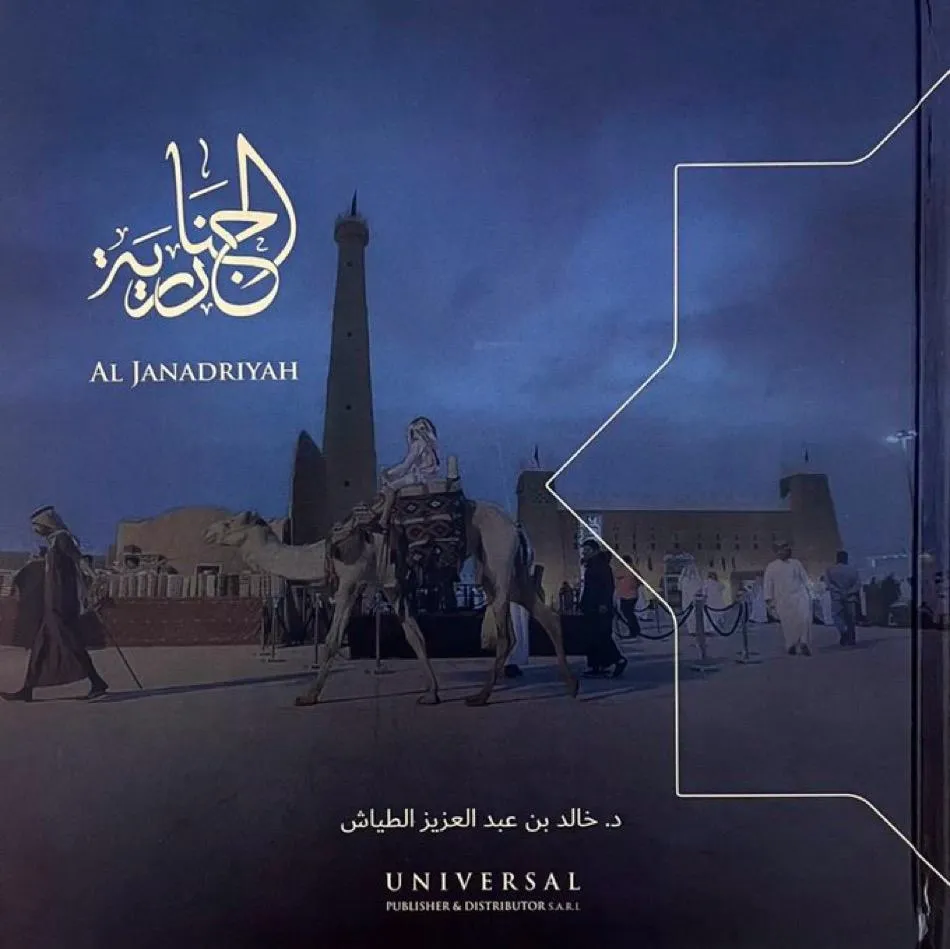
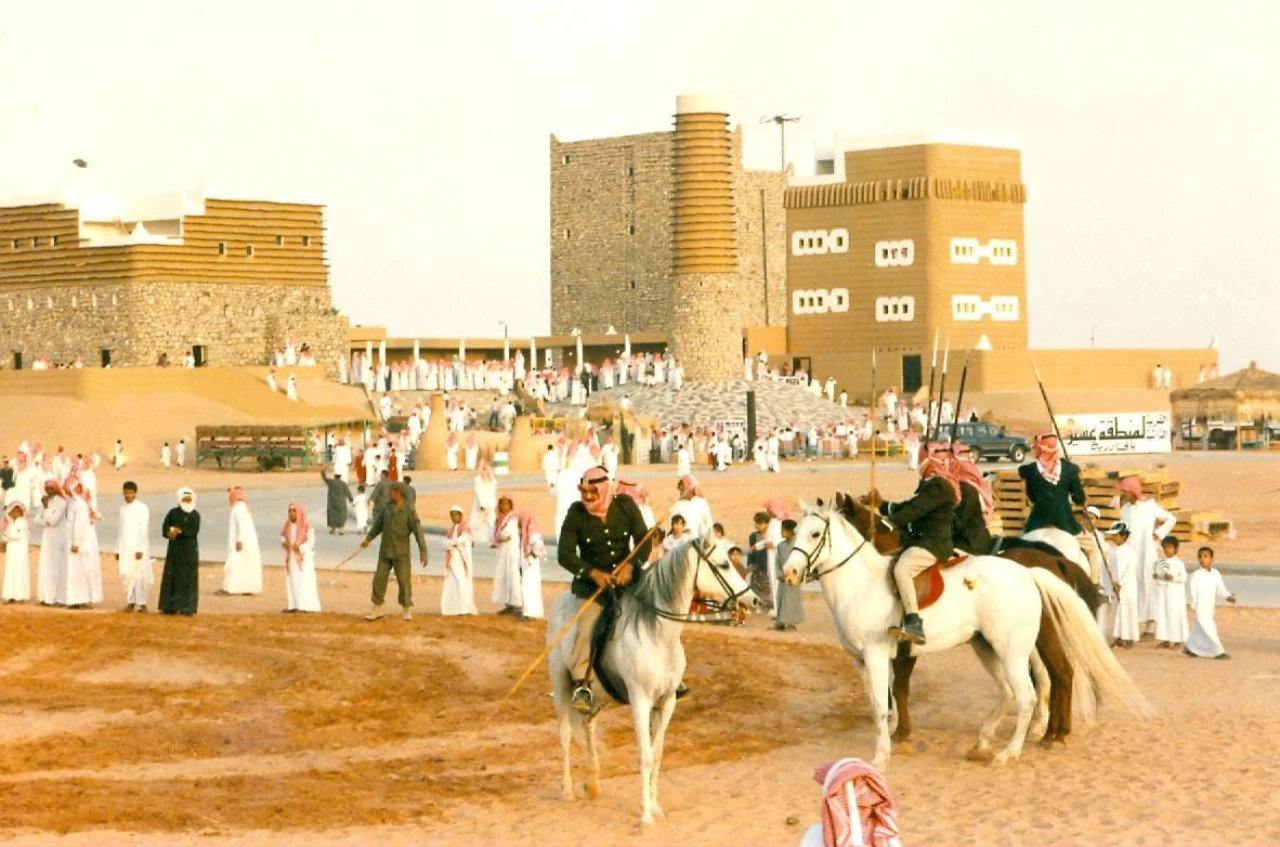
Our understanding of this heritage is deeply influenced by the work of Dr. Khalid Al Tayyash, whose research and documentation have contributed significantly to preserving and interpreting Saudi architectural culture. Among his notable works is his documentation of the origins and development of Al Janadriyah, one of the Kingdom's most important cultural initiatives.
The publication traces the evolution of the National Festival of Heritage and Culture from its earliest stages and records the architectural and urban development of the festival grounds, a project that Dr. Al Tayyash personally supervised and documented from construction through completion.
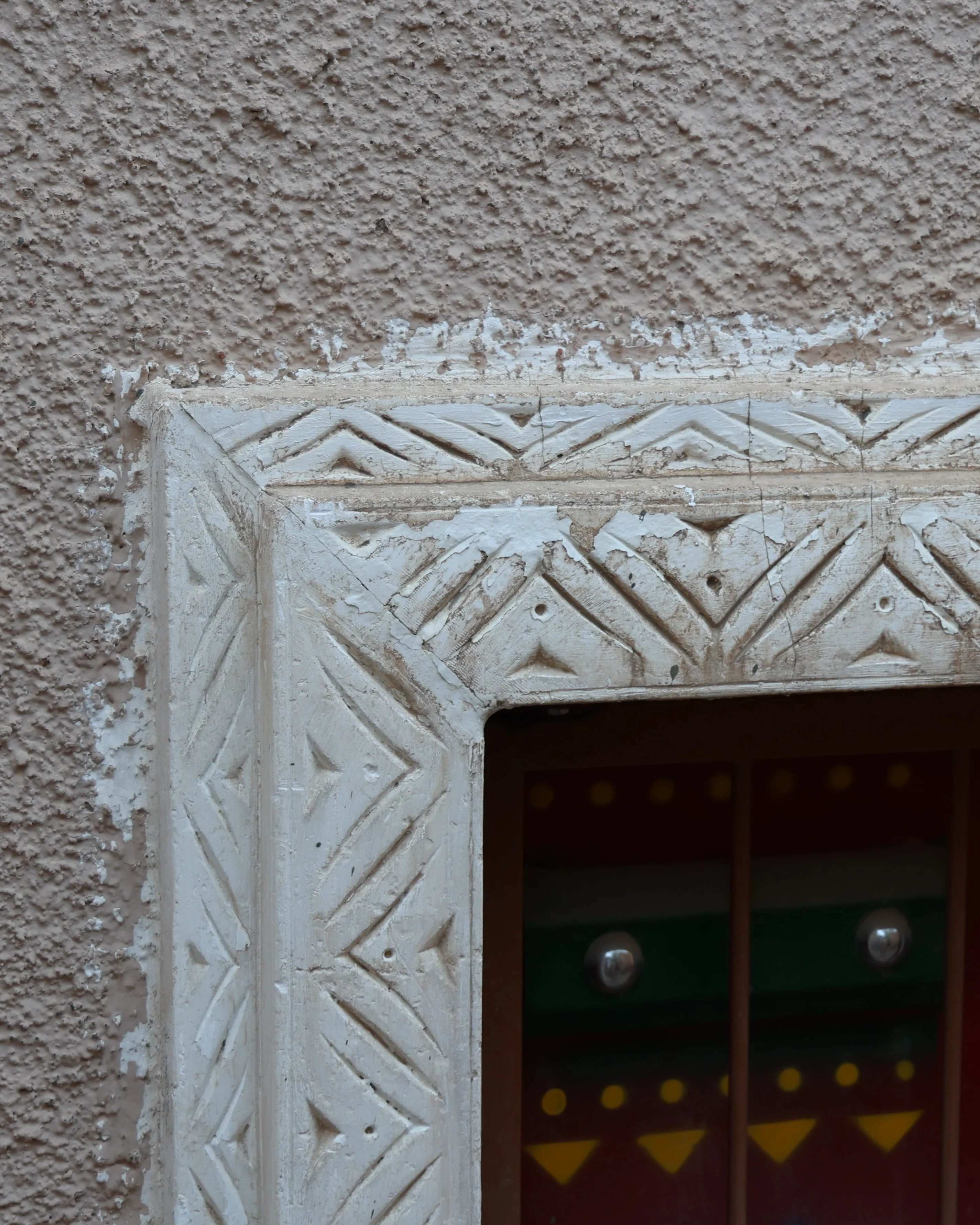
This commitment to research extends beyond major cultural initiatives and into the details of everyday architecture. One example is the Najdi door, a defining element of traditional Najdi architecture. More than an entrance, the door served as a cultural marker, communicating identity through craftsmanship, proportion, color, and ornamentation.
Often crafted from wood or palm and enriched with geometric carvings and symbolic motifs, the Najdi door guided visitors through a visual language that required no words. It demonstrates how architecture can communicate meaning, preserve memory, and express the values of a community.